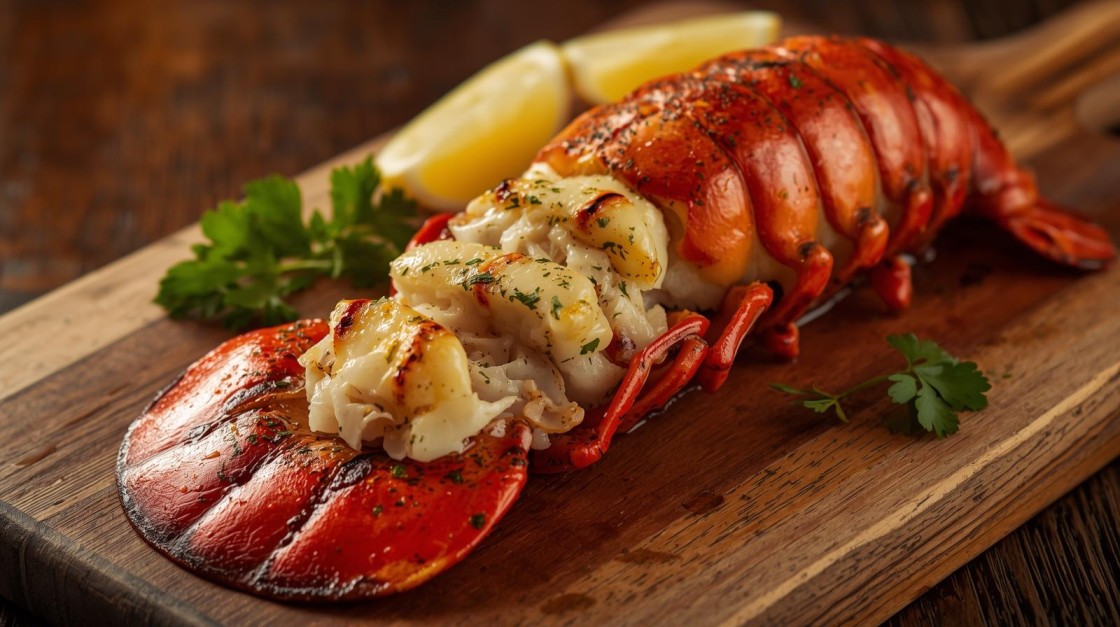
Lobster Tail Recipe
A perfectly cooked lobster tail is truly special. It’s rich, buttery, sweet, and very tender — and it feels like restaurant-quality food you can make at home in less than 20 minutes.
Whether you’re celebrating, planning a romantic dinner, or just treating yourself on a regular day, this guide will help you cook lobster tails perfectly every time.
How to Choose the Best Lobster Tails
Great lobster starts with good ingredients. Try to buy cold-water lobster tails whenever possible. These are often labeled Maine, Canadian, or North Atlantic, and they are known for sweeter flavor, firmer texture, and better taste than warm-water lobster.
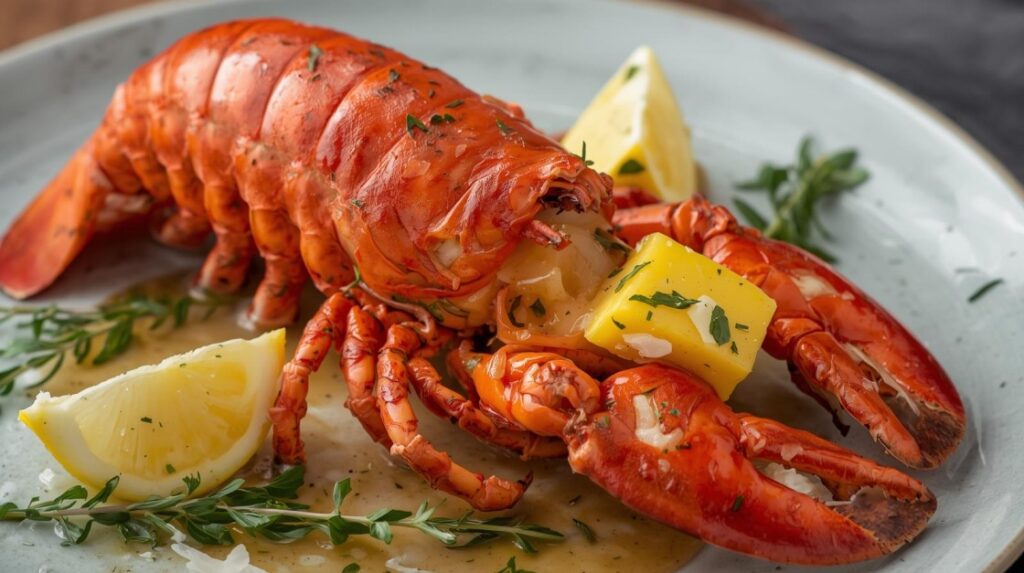
Warm-water lobster (sometimes called rock or spiny lobster) has lighter meat and spotted shells. It’s still fine to use, but the flavor is milder and the texture softer. When buying fresh tails, look for clean white meat. Avoid any tails with gray, yellow, or dark spots — this usually means poor quality and can turn mushy when cooked.
If using frozen lobster tails, thaw them fully in the refrigerator overnight. If you’re short on time, place them in a sealed bag and soak in cold water for 2–6 hours, changing the water to keep it cold.
For home cooking, lobster tails between 5 and 8 ounces are best. They cook evenly, look great on the plate, and are easier to handle than very large tails.
List of Ingredients
Simple pantry staples are all it takes to make lobster tails taste absolutely incredible:
- 4 lobster tails (5–8 oz each)
- 4 tablespoons unsalted butter (melted)
- 3–4 garlic cloves (freshly minced)
- 1 fresh lemon (juice + wedges for serving)
- 2 tablespoons fresh parsley (finely chopped)
- 1 teaspoon smoked or sweet paprika
- Salt and freshly cracked black pepper
- 1 teaspoon Dijon mustard (optional — adds incredible depth)
- 1 tablespoon olive oil (optional)
How to Butterfly a Lobster Tail (Step by Step)
Butterflying is the most important prep step. It helps the lobster cook evenly, lets flavors soak in better, and gives that beautiful restaurant-style look.
Step 1: Place the lobster tail shell-side up on a cutting board.
Using sharp kitchen scissors, cut straight down the center of the shell from the thick end toward the tail — stop just before the fin.
Step 2: Use your thumbs to gently open the shell. Slide your thumb between the shell and meat on both sides to loosen it.
Step 3: Carefully lift the meat through the opening and place it on top of the shell, keeping it attached at the base. This creates the classic “butterfly” look.
Step 4: If the meat won’t release easily, boil the tail for about 3 minutes, then try again. This loosens the meat.
Pro Tip: To stop the tail from curling while cooking, push a wooden skewer through the center of the meat before seasoning.
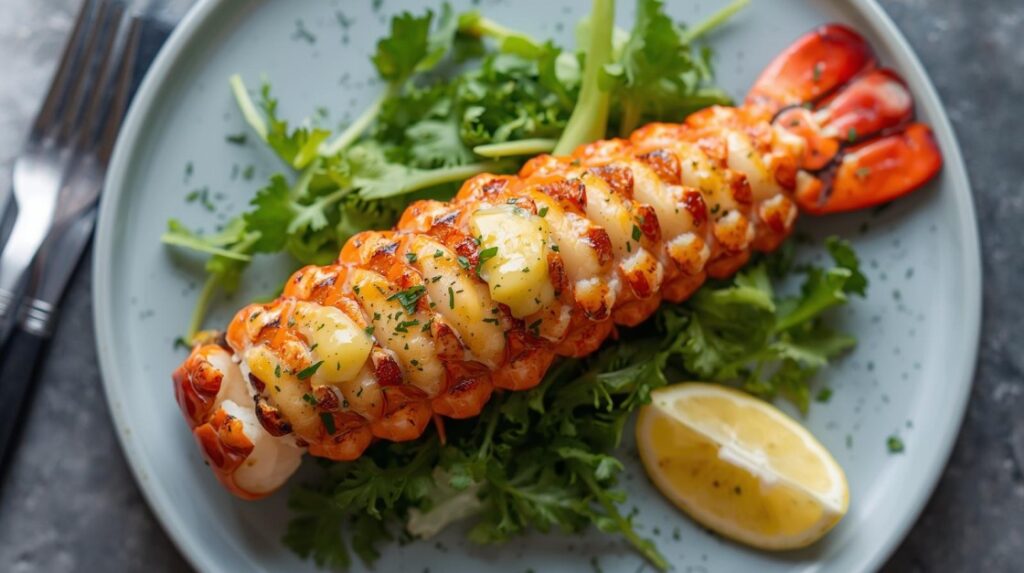
5 Best Ways to Cook Lobster Tails
1. Broiling — The Best & Fastest Method
Broiling is one of the best ways to cook lobster tails at home. The strong heat from above melts the butter, turns the meat golden, and keeps all the juices inside. It cooks fast and gives you restaurant-style results.
How to do it: Place your oven rack about 6 inches below the broiler. Brush the butterflied lobster tails with garlic butter, set them meat-side up on a foil-lined baking tray, and broil on high for 8–10 minutes. A simple rule is 1 minute of cooking for each ounce of lobster — so a 6 oz tail needs about 6 minutes.
Important: Always use foil on your baking tray. Do not use parchment paper, as it can burn under high broiler heat.
2. Baking — The Easiest & Most Beginner-Friendly Method
Baking is the easiest method and great for beginners. The oven heat and steam keep the lobster meat soft, juicy, and tender, with very little chance of overcooking.
How to do it: Heat your oven to 425°F (220°C). Pour a small amount of water into a baking dish (just enough to cover the bottom). Place the butterflied lobster tails inside with the meat facing up. Brush with garlic butter, then cover tightly with foil. Bake for 10–12 minutes until the meat turns white and feels firm. For a light golden top, remove the foil and broil for the last 1–2 minutes.
3. Steaming — The Gentlest Method
Steaming is one of the gentlest ways to cook lobster tails. Because the meat doesn’t sit directly in boiling water, it keeps its natural sweetness and stays tender. This method also helps prevent the lobster from becoming rubbery or watery.
How to do it: Fill a large pot with about 2 inches of salted water and bring it to a strong boil. Place a steamer rack inside the pot. Put the lobster tails on the rack shell-side down, cover tightly with a lid, and steam for 5–8 minutes, depending on their size.
Avoid boiling lobster tails directly in water. When the meat touches the water, it can absorb too much moisture and become soft, rubbery, and less flavorful.
4. Grilling — The Summer Method
Grilling lobster tails adds a smoky flavor that you can’t get from the oven. The light char tastes amazing with the lobster’s natural sweetness and rich garlic butter.
How to do it: Heat your grill to medium-high. Brush the lobster meat with seasoned butter and place it meat-side down on the grill. Cook for 5–6 minutes, then flip to shell-side down. Brush with more butter and grill for another 3–4 minutes until the meat turns white and is fully cooked. Finish with a squeeze of fresh lemon before serving.
5. Air Fryer — The Modern Method
Air frying lobster tails is fast, easy, and gives great results. The hot air makes the outside slightly crispy while keeping the inside soft and juicy — and it’s ready in less than 10 minutes.
How to do it: Brush the butterflied lobster tails with garlic butter. Place them in the air fryer basket with the meat facing up. Cook at 380°F (193°C) for 5–7 minutes, depending on size.
No preheating needed, very little cleanup, and delicious lobster every time.
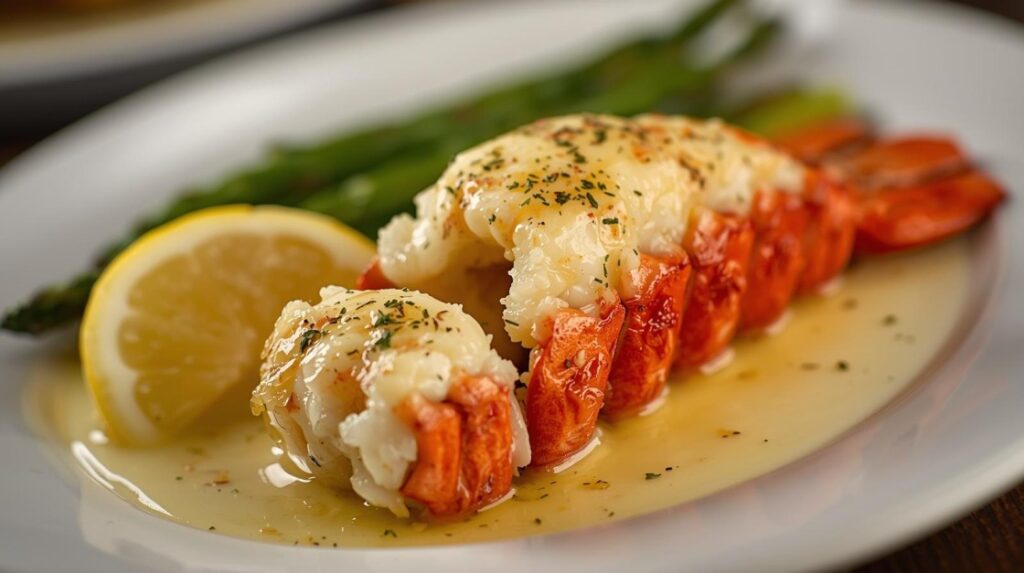
How to Tell When Lobster Tails Are Done
This is the most important step — overcooked lobster becomes tough and chewy, so knowing when to stop cooking really matters.
Look for these three signs that your lobster is perfectly done:
- The meat changes from clear to solid bright white
- The shell turns from dark brown or green to bright red
- A food thermometer in the thickest part reads 140–145°F
Remove the lobster from heat just before it looks fully cooked. The leftover heat will finish cooking it as it rests for a minute or two.
The Perfect Garlic Lemon Butter Dipping Sauce
No lobster tail is complete without a tasty dipping sauce. In a small pan on low heat, melt 4 tablespoons of butter with 2 chopped garlic cloves. Add fresh lemon juice, a small pinch of salt, a tiny pinch of cayenne (for mild heat), and 1 tablespoon chopped parsley. Let it warm together for about 2 minutes, then remove from heat and pour into small bowls for serving.
If you have any leftover juices from cooking the lobster, stir them into the sauce — they add amazing extra flavor.
What to Serve with Lobster Tails
Because lobster is rich and indulgent, the best sides are ones that complement rather than compete:
- Creamy garlic mashed potatoes — the classic pairing for good reason
- Roasted asparagus or broccolini — light, fresh and elegant
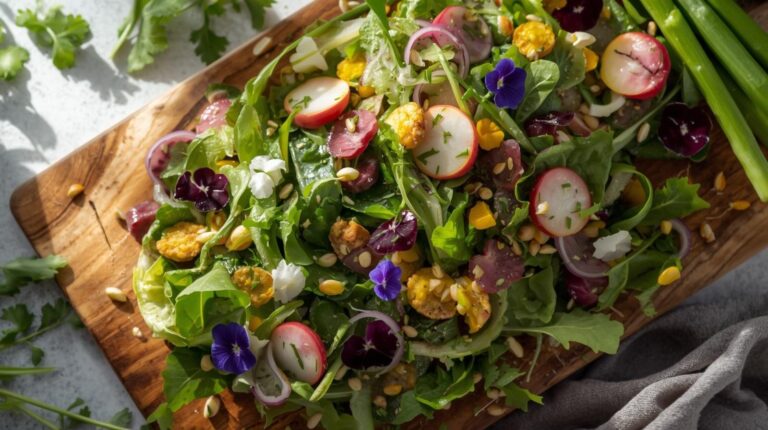
- Caesar salad — crisp and refreshing against the rich lobster
- Warm crusty bread or cheddar bay biscuits — perfect for mopping up that butter sauce
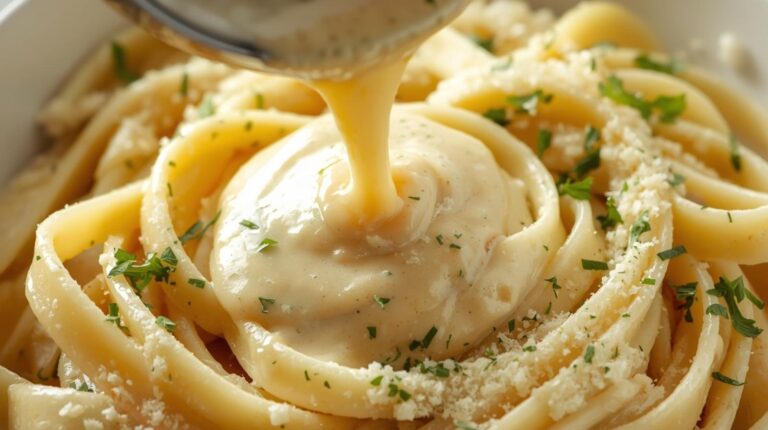
- Brown butter pasta with parmesan — for a truly luxurious full meal
- A perfectly seared ribeye — for the ultimate surf and turf dinner
Expert Tips for Flawless Lobster Tails Every Time
- Always pat the meat completely dry before adding butter — excess moisture prevents proper browning and caramelization
- Take lobster tails out of the fridge 15–20 minutes before cooking — room temperature meat cooks more evenly than cold
- Fresh garlic is non-negotiable — the flavor difference over garlic powder is enormous
- Never skip the lemon — the acidity slices right through the richness of the butter and makes the whole dish sing
- Smoked paprika adds a subtle warmth and gorgeous color to the finished meat — do not skip it
- Always line broiling pans with foil for easy cleanup and to catch all those precious drippings for the sauce
- Leftover cooked lobster keeps in an airtight container in the refrigerator for up to 3 days — to reheat, wrap in foil with a pat of butter and warm in a 350°F oven for 5 minutes
- Do not freeze cooked lobster — the texture deteriorates significantly and it simply is not worth it for such a premium ingredient
Quick Cooking Reference Chart
| Method | Temperature | Time |
|---|---|---|
| Broiling | High broil | 8–10 min |
| Baking | 425°F | 10–12 min |
| Grilling | Medium-high | 8–10 min |
| Air Fryer | 380°F | 5–7 min |
| Steaming | Boiling steam | 5–8 min |
General rule: 1 minute per ounce when broiling
Conclusion
Lobster tails may look fancy, but they’re actually easy to make at home. Once you learn the basics—choosing good-quality tails, butterflying them, using garlic butter, and watching the cooking time — you won’t need to spend money at restaurants anymore.
Whether you broil them for a quick dinner, bake them for holidays, or grill them for summer gatherings, homemade lobster tails are always a great choice. Try this guide once, and it’s sure to become your go-to recipe for special occasions.
Hey There. I found your blog using msn. This is an extremely well written article. I will make sure to bookmark it and return to read more of your useful information. Thanks for the post. I’ll certainly comeback.