Olive Garden Breadsticks Recipe
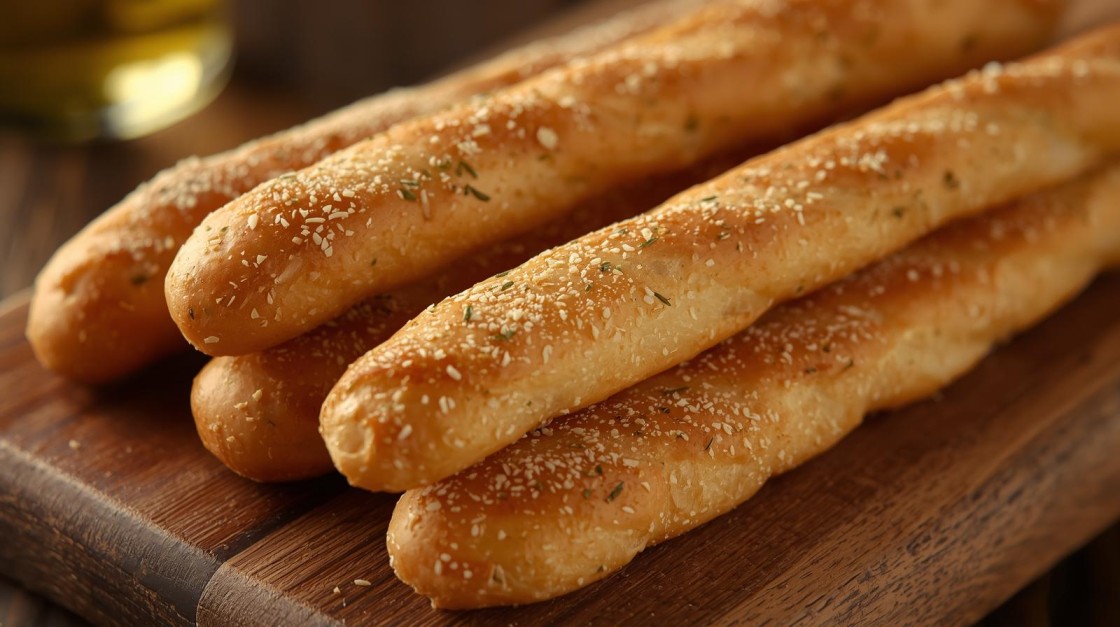
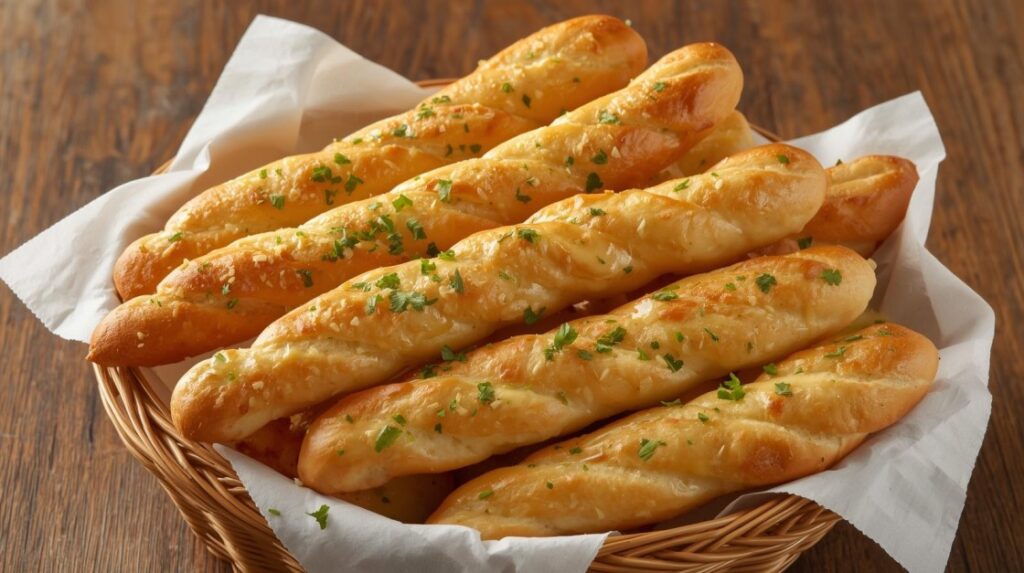
Olive Garden breadsticks remain one of the most iconic restaurant sides in 2026. Served warm, soft, and brushed with buttery garlic seasoning, these breadsticks are a major reason many diners keep coming back. While Olive Garden still serves them fresh in-restaurant, more people than ever are recreating this classic at home using simple, modern baking methods.
This updated guide explains how Olive Garden breadsticks taste today, what makes them special, and how you can make a restaurant-style version at home using current cooking techniques.
What Makes Olive Garden Breadsticks So Popular Today
Even with menu updates over the years, Olive Garden breadsticks have stayed consistent in texture and flavor. Their popularity comes from:
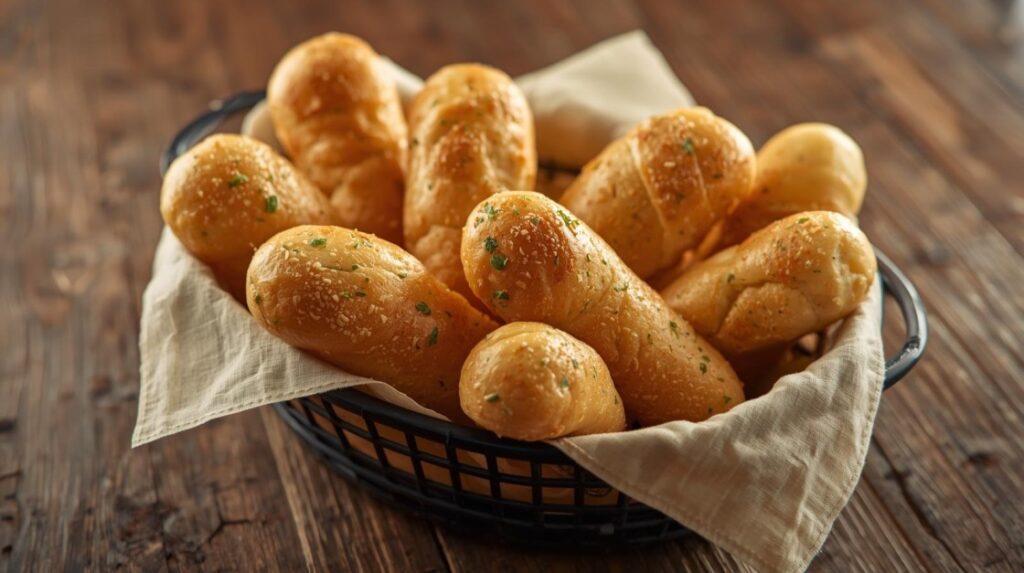
- Soft, pillowy interior
- Lightly golden exterior
- Garlic-butter topping added after baking
- Mild seasoning that pairs with soups and pasta
Unlike crusty artisan bread, these breadsticks are designed to stay soft from the first bite to the last.
Ingredients Used in Modern Homemade Versions
Home cooks in 2026 prefer simple, clean ingredients that closely match restaurant results:
For the dough
- Warm water
- Active dry yeast or instant yeast
- Sugar
- All-purpose flour
- Salt
- Olive oil or butter
For the topping
- Melted butter
- Garlic powder
- Fine salt
- Optional Italian seasoning
These ingredients reflect what’s commonly used in restaurant-style bread dough today.
Updated Step-by-Step Method
1. Activate the Yeast
Mix warm water, yeast, and sugar. Let it sit until foamy. This step ensures soft breadsticks with good rise.
2. Prepare the Dough
Combine flour, salt, oil, and yeast mixture. Knead until smooth and elastic. The dough should feel soft, not dry.
3. First Rise
Cover the dough and let it rise until doubled. A warm kitchen speeds this up, which aligns with modern quick-rise baking.
4. Shape the Breadsticks
Divide the dough evenly and roll into long, thin sticks. Place them slightly apart on a lined baking tray.
5. Bake Lightly
Bake just until the breadsticks turn pale golden. Overbaking removes the signature softness.
6. Garlic Butter Finish
Brush breadsticks immediately with melted butter and garlic seasoning while still hot. This step is key to achieving the Olive Garden flavor.
How to Match Olive Garden’s Current Flavor Profile
To get as close as possible to the restaurant experience:
- Add butter while breadsticks are hot
- Use garlic powder instead of fresh garlic for smooth flavor
- Keep seasoning light — Olive Garden breadsticks are not heavily spiced
- Cover breadsticks after baking to trap steam and maintain softness
These techniques reflect how soft bread products are finished in modern restaurant kitchens.
Best Dishes to Serve with Breadsticks
Olive Garden breadsticks are designed to complement savory meals. Popular pairings include:
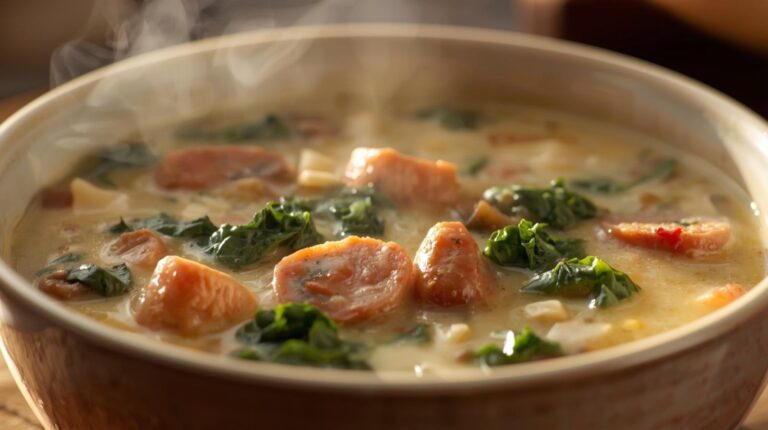
- Zuppa Toscana
- Chicken Gnocchi Soup
- Pasta e Fagioli
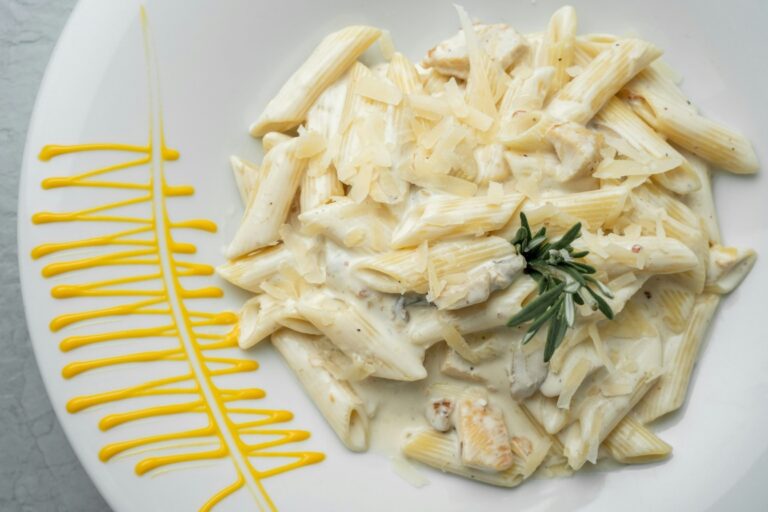
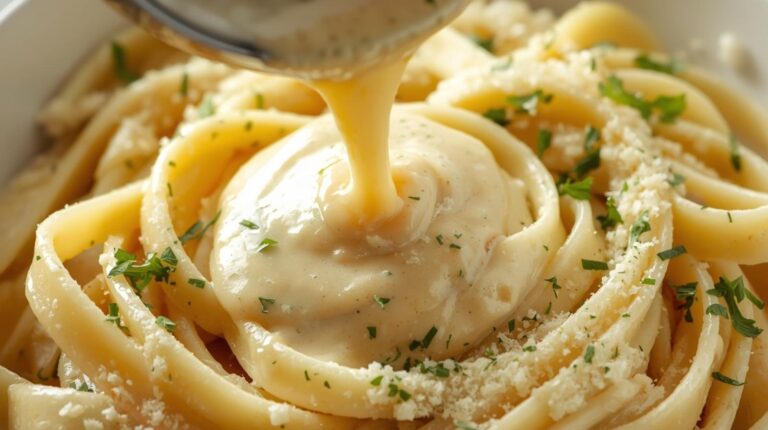
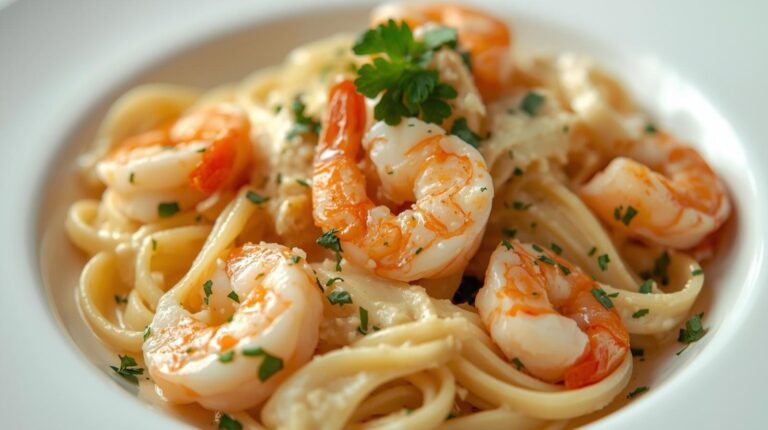
- Alfredo pasta dishes
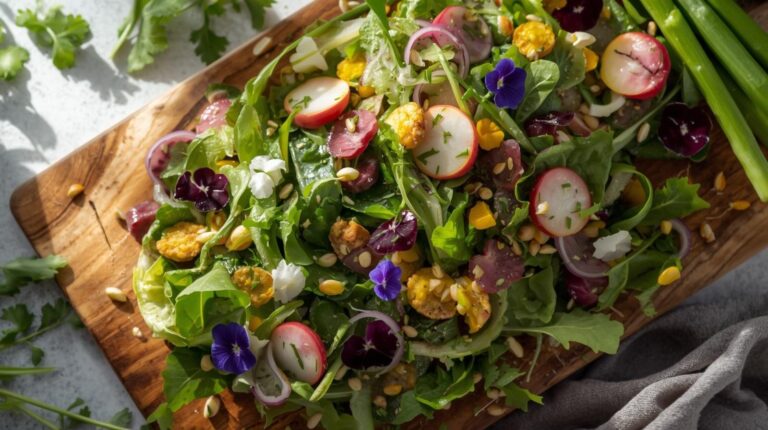
- Garden salad with Italian dressing
They also work well for family dinners and party platters.
Storage & Reheating (2026 Tips)
- Store in an airtight container at room temperature
- Reheat briefly in the oven or air fryer (low heat)
- Brush with fresh butter after reheating for best texture
Avoid microwaving for too long, as it can make them chewy.
Final Words
Olive Garden breadsticks continue to be a comfort-food favorite because of their softness, buttery finish, and versatility. Making them at home in 2026 is easier than ever and allows you to enjoy restaurant-style breadsticks without leaving your kitchen.
With the right dough, light baking, and garlic-butter finish, homemade Olive Garden-style breadsticks can feel just as warm and satisfying as the originals.