Jambalaya Recipe
Jambalaya is one of Louisiana’s most famous dishes, known for its bold flavors, colorful ingredients, and comforting aroma. This one-pot meal captures the heart of Creole and Cajun cooking—rich, spicy, and full of character. Over time, Jambalaya has evolved from a regional specialty into a global favorite, loved for its simplicity, versatility, and deep cultural roots.
This article explores what Jambalaya is, its variations, ingredients, and step-by-step method for making an authentic version. It also includes modern tips, nutritional insights, and serving ideas to help create the perfect dish at home.
What Is Jambalaya?
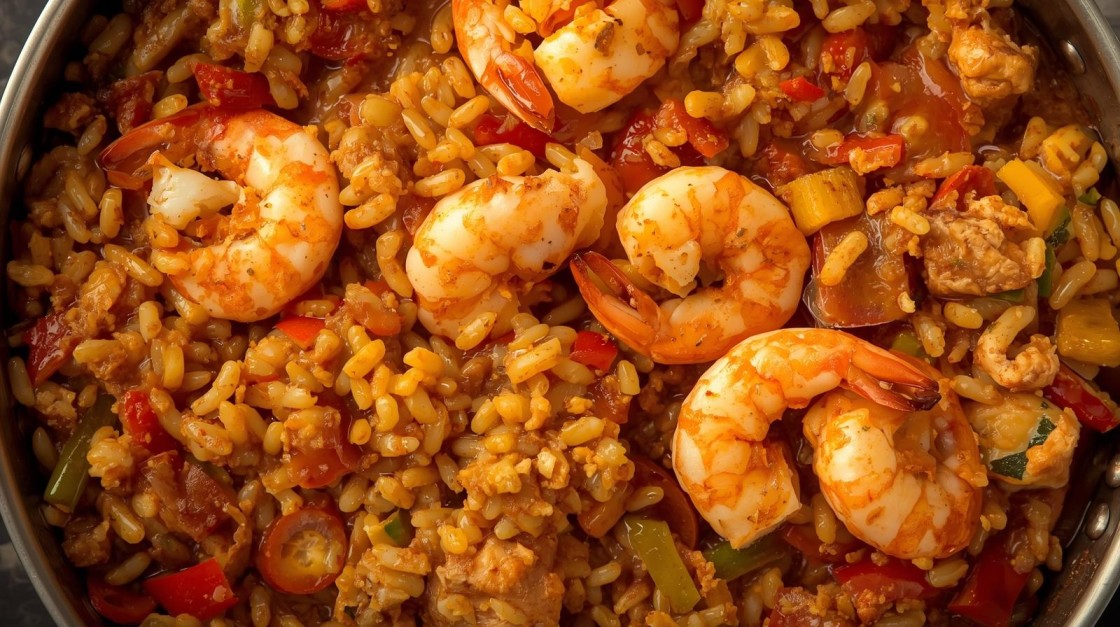
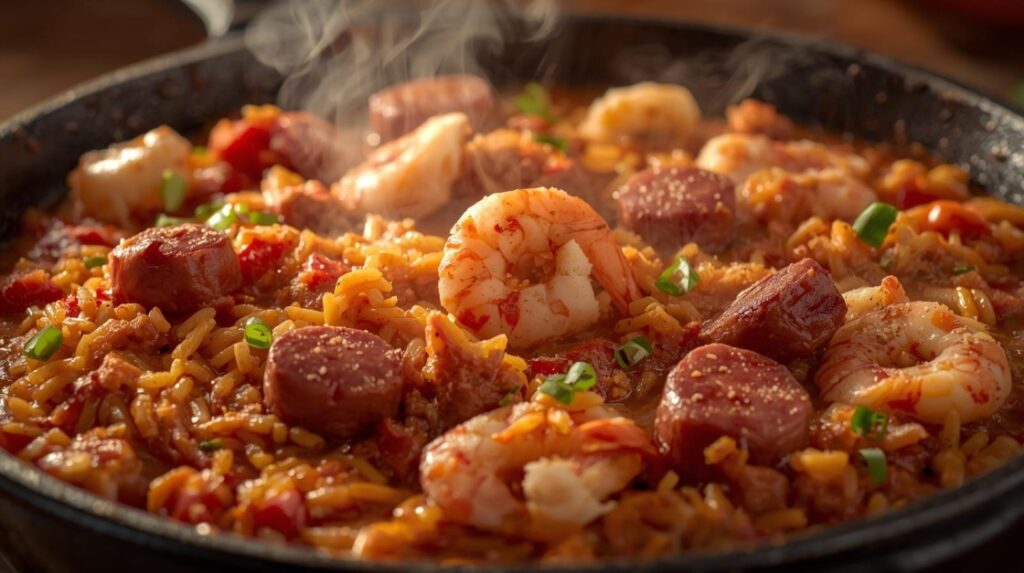
Jambalaya is a classic Louisiana one-pot dish made with rice, meat, seafood, and vegetables cooked with bold spices. It’s known for its smoky, spicy flavor and colorful mix of ingredients like chicken, sausage, shrimp, onion, bell pepper, and celery.
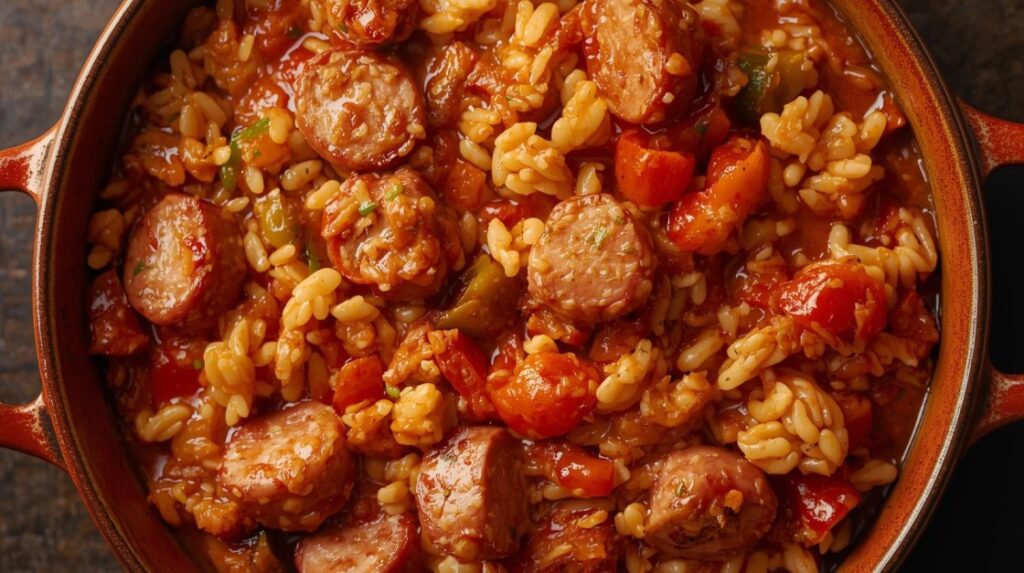
The word “Jambalaya” likely comes from French and African roots meaning “mixed,” which fits the dish perfectly. Loved across the American South, it’s a symbol of comfort and community, whether made with tomatoes in the Creole style or without them in the Cajun version.
Why Jambalaya Is So Popular
Jambalaya is popular for its simplicity and versatility. It’s a one-pot meal combining rice, protein, and vegetables for a balanced, flavorful dish.
Easy to customize with chicken, sausage, shrimp, or veggies, it’s perfect for busy households. Its bold flavors and hearty texture make it a favorite comfort food that’s great for gatherings and meal prep.
Ingredients for Authentic Jambalaya
The beauty of Jambalaya lies in its use of simple, accessible ingredients that come together to create complex flavors.
Base Ingredients
- 2 tablespoons olive oil or butter
- 1 large onion, finely chopped
- 1 green bell pepper, diced
- 2 celery stalks, chopped
- 3 garlic cloves, minced
- 1½ cups long-grain rice
- 3 cups chicken broth or stock
- 1 cup diced tomatoes (for Creole version)
- 1 teaspoon smoked paprika
- 1 teaspoon dried thyme
- ½ teaspoon cayenne pepper (adjust to taste)
- 1 teaspoon salt
- ½ teaspoon black pepper
- 1 bay leaf
Protein Options
- 200g chicken breast or thighs, diced
- 150g smoked sausage (such as andouille), sliced
- 150g shrimp, peeled and deveined
Optional Add-ins
- 1 tablespoon hot sauce
- 2 tablespoons chopped parsley
- 1 teaspoon Cajun seasoning blend
- ½ teaspoon oregano
Modern Variations
- Vegetarian Jambalaya: Replace meat with beans, mushrooms, or tofu.
- Seafood Jambalaya: Use shrimp, crab, and fish for a coastal twist.
- Healthy Jambalaya: Substitute brown rice or quinoa for white rice and use lean meats.
Step-by-Step Cooking Instructions
Step 1: Prepare the Base
Heat olive oil in a large pot or Dutch oven over medium heat. Add the onion, bell pepper, and celery—known as the “holy trinity” of Cajun cooking. Sauté for about 5 minutes until the vegetables soften and release their aroma.
Step 2: Add Garlic and Sausage
Stir in the minced garlic and sliced sausage. Cook for another 3–4 minutes until the sausage begins to brown. This step adds depth and smokiness to the dish.
Step 3: Add Chicken
Add the diced chicken pieces and cook until lightly browned on all sides. Browning the meat enhances the flavor and gives the dish a rich base.
Step 4: Add Spices and Tomatoes
Stir in paprika, thyme, cayenne, salt, and black pepper. Add the diced tomatoes if making the Creole version. Mix well to coat the ingredients with the spices.
Step 5: Add Rice and Broth
Pour in the rice and chicken broth. Stir to combine, ensuring the rice is evenly distributed. Add the bay leaf for extra aroma.
Step 6: Simmer
Bring the mixture to a boil, then reduce the heat to low. Cover and simmer for 20–25 minutes, stirring occasionally to prevent sticking. The rice should absorb most of the liquid and become tender.
Step 7: Add Shrimp
Once the rice is nearly cooked, stir in the shrimp. Cover and cook for another 5 minutes until the shrimp turn pink and are fully cooked.
Step 8: Finish and Serve
Remove the bay leaf, sprinkle with chopped parsley, and adjust seasoning if needed. Serve hot, optionally with a dash of hot sauce for extra spice.
Tips for Perfect Jambalaya
- Use the right rice: Long-grain rice works best as it stays fluffy and doesn’t clump together.
- Don’t over-stir: Stirring too often can make the rice mushy.
- Balance the spice: Adjust cayenne and hot sauce to suit personal taste.
- Layer the flavors: Browning the meat and vegetables before adding rice enhances the overall depth.
- Let it rest: Allow the Jambalaya to sit for a few minutes after cooking to let the flavors meld.
Nutritional Information (Per Serving)
| Nutrient | Amount |
|---|---|
| Calories | 420 kcal |
| Protein | 28 g |
| Carbohydrates | 45 g |
| Fat | 14 g |
| Fiber | 3 g |
| Sodium | 780 mg |
This makes Jambalaya a balanced meal, offering a good mix of protein, carbs, and healthy fats. Using lean meats and moderate oil can make it even lighter without losing flavor.
Serving Suggestions
Jambalaya is a complete meal on its own, but it pairs beautifully with a few side dishes:
- Cornbread: Adds a sweet, buttery contrast to the spicy rice.
- Green Salad: A fresh salad with lemon vinaigrette balances the richness.
- Fried Okra or Plantains: Adds a Southern touch and extra texture.
- Coleslaw: Provides a cool, crunchy complement.
For drinks, sweet iced tea or a light beer pairs perfectly with the bold flavors of Jambalaya.
Storing and Reheating
Jambalaya tastes even better the next day as the flavors deepen overnight. Store leftovers in an airtight container in the refrigerator for up to 3 days. To reheat, add a splash of broth or water to keep the rice moist and warm it on the stove or in the microwave.
For longer storage, Jambalaya can be frozen for up to 2 months. Thaw overnight in the refrigerator before reheating.
Modern Twists and Trends
In recent years, chefs and home cooks have experimented with new versions of Jambalaya to suit different diets and preferences:
- Vegan Jambalaya: Made with lentils, chickpeas, and plant-based sausage.
- Low-Carb Jambalaya: Uses cauliflower rice instead of traditional rice.
- Instant Pot Jambalaya: A quick version that cooks in under 30 minutes.
- Fusion Jambalaya: Combines Asian or Mediterranean flavors, such as adding soy sauce or olives.
These modern adaptations show how Jambalaya continues to evolve while staying true to its roots.
Common Mistakes to Avoid
- Using the wrong rice: Short-grain rice can become sticky and ruin the texture.
- Adding too much liquid: This can make the dish soupy instead of fluffy.
- Overcooking shrimp: Shrimp cook quickly and can become rubbery if left too long.
- Skipping the browning step: Browning the meat and vegetables builds essential flavor.
- Not tasting as you go: Adjust seasoning gradually to achieve the perfect balance.
Conclusion
Jambalaya is a timeless dish that embodies the heart and soul of Louisiana cooking. Its combination of rice, meat, seafood, and spices creates a comforting, flavorful meal that’s both satisfying and easy to make. Whether prepared in the traditional Creole or Cajun style, or adapted with modern twists, Jambalaya remains a celebration of culture, flavor, and community.
With this simple yet authentic recipe, anyone can bring a taste of Louisiana to their kitchen. From weeknight dinners to festive gatherings, Jambalaya continues to be a dish that unites people through the joy of good food and shared tradition.